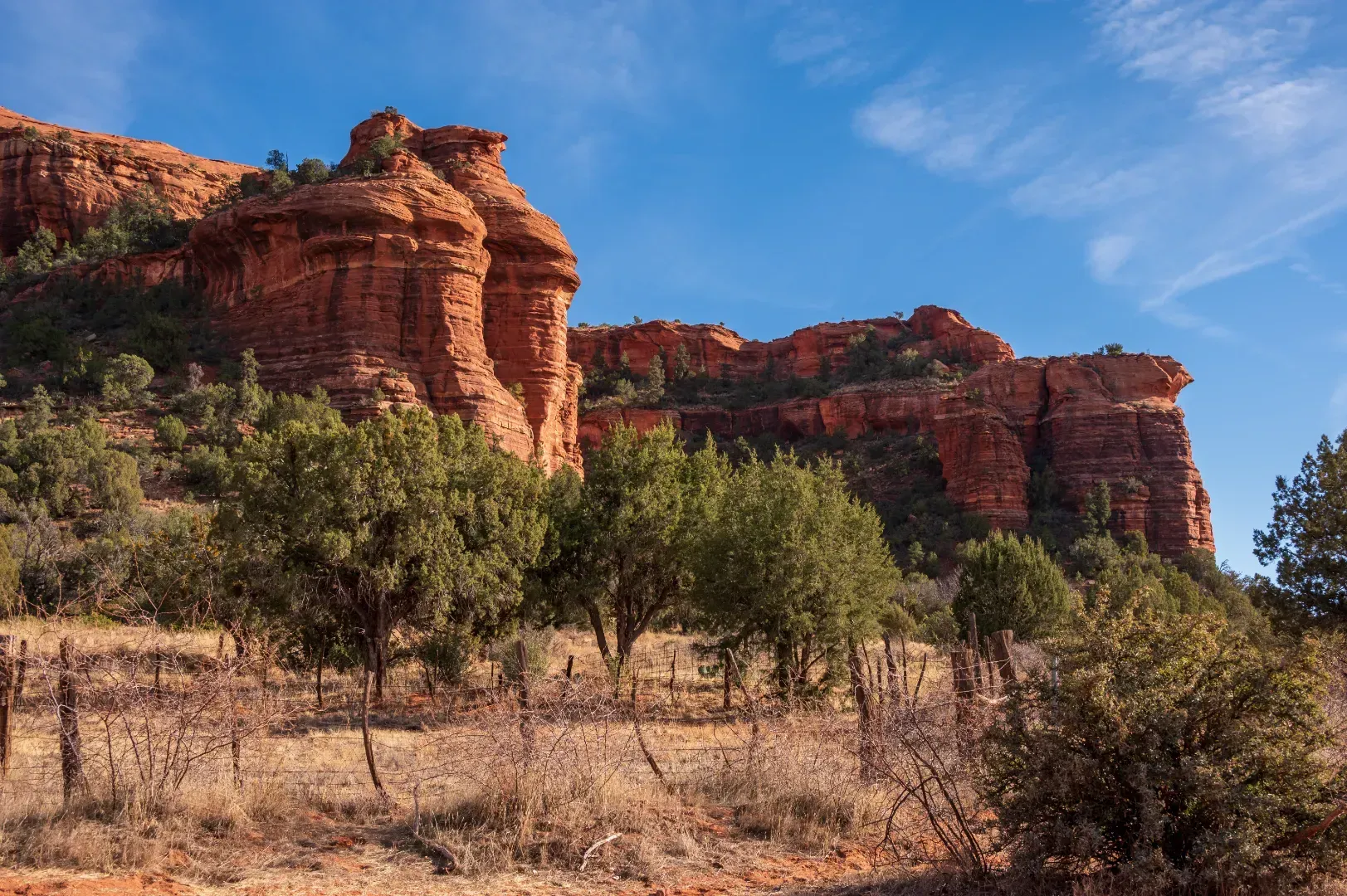
Strange Lights Over Sedona: Why People Keep Reporting Them
Sedona UFO sightings are a real and ongoing pattern, not a one-off story.
At some point during a Sedona stay, usually after dark, someone in your group will point at the sky and ask if you just saw that. A light moves wrong, too steady, too fast, or it just stops. In a town already known for vortexes and energy talk, it is easy to assume the worst, or the best, depending on your outlook. Sedona UFO sightings are a real and ongoing pattern, not a one-off story. And most of what gets reported has a documented, mundane explanation, even if a genuine handful of cases never got one.
What people actually report
The reports follow a few repeat patterns, according to the guides who run Sedona’s night-sky tours: slow-moving white or amber orbs, lights that hover and then accelerate away, and formations that move in unison before breaking apart. Melinda Leslie, who has run Sedona UFO Sighting Tours for over two decades and says she has led nearly 2,000 of them using military-grade night-vision goggles, is the person most closely associated with cataloguing these locally. That is her account of her own tour volume, worth noting as a claim from the business itself, not an independently audited figure.
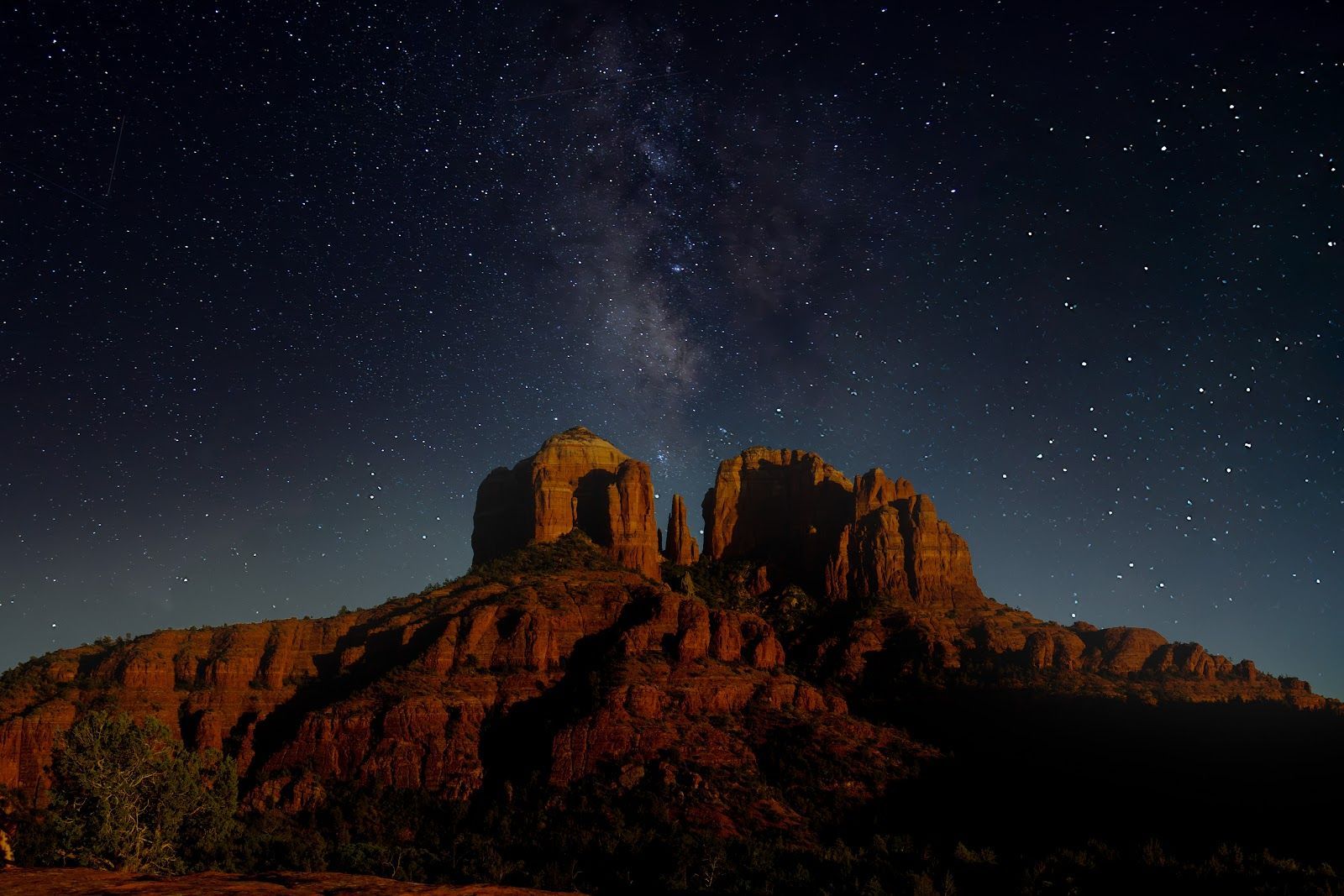
It’s not just Sedona: Arizona’s most famous case happened nearby
Sedona’s reputation doesn’t exist in a vacuum. On the night of March 13, 1997, thousands of people across Arizona, from Nevada’s border down through Phoenix to Tucson, reported two separate sightings in a matter of hours: a V-shaped formation of six to ten lights that crossed the state between roughly 7:55 and 8:40 p.m., and a second, unrelated line of lights near the Sierra Estrella range around 9:15 p.m. Then-Governor Fife Symington initially mocked the reports at a press conference, then years later said he had seen the lights himself and believed them to be genuinely unexplained. This is known as the Phoenix Lights, and it remains one of the most well-documented mass sightings in U.S. history, documented in the sense that it clearly happened and was witnessed by an enormous number of people, not in the sense that its cause is agreed upon.
Two things are worth being precise about. First, Phoenix is roughly 110 miles from Sedona. This was a statewide event, not a Sedona one, though it’s part of why Arizona’s skies carry a reputation. Second, the two sightings that night have different proposed explanations, addressed next.
What’s actually flying over Arizona most nights
Skeptics and investigators agree on very little about the Phoenix Lights, but there is an official-adjacent explanation for at least the second sighting: Lieutenant Colonel Ed Jones of the Maryland Air National Guard has stated that a squadron of A-10 Thunderbolt jets dropped parachute-equipped flares near the Barry M. Goldwater Air Force Range that night, which would account for the stationary, fading lights seen over the Estrella mountains. The earlier V-formation is more disputed; some researchers tie it to Operation Snowbird, a training program flown out of Davis-Monthan Air Force Base, while others say the formation’s size and behavior don’t match that explanation. No formal government investigation of the full event was ever opened.
Beyond flares and military exercises, three other explanable culprits account for a large share of modern reports anywhere with a clear night sky: Starlink satellite trains, dozens of newly launched satellites crossing the sky in a visible line before spreading into normal orbit, a phenomenon documented extensively by astronomers and often mistaken for a UFO fleet; commercial and private aircraft catching the last light at altitude after sunset; and meteors or fireballs, which the American Meteor Society logs by the thousands every year across the Southwest. None of that fully explains every report, but it explains a meaningful share of them.
Documented, claimed, and unverified: kept separate on purpose
Documented: the Phoenix Lights event happened and was witnessed by thousands; A-10 flare drops that night are on the record from a named Air National Guard officer; Starlink trains are a real, photographed, widely reported phenomenon; Sedona is a certified International Dark Sky Community, the world’s eighth, a designation from DarkSky International (formerly the International Dark-Sky Association), which is part of why the skies here are genuinely dark enough to see all of this clearly.
Claimed, not independently confirmed: that the V-formation sighting was Operation Snowbird aircraft (disputed by some witnesses and researchers); that any specific Sedona-area light was extraterrestrial rather than aircraft, satellite, or meteor activity, a call this article won’t make either way, because nobody can make it with confidence from a distance.
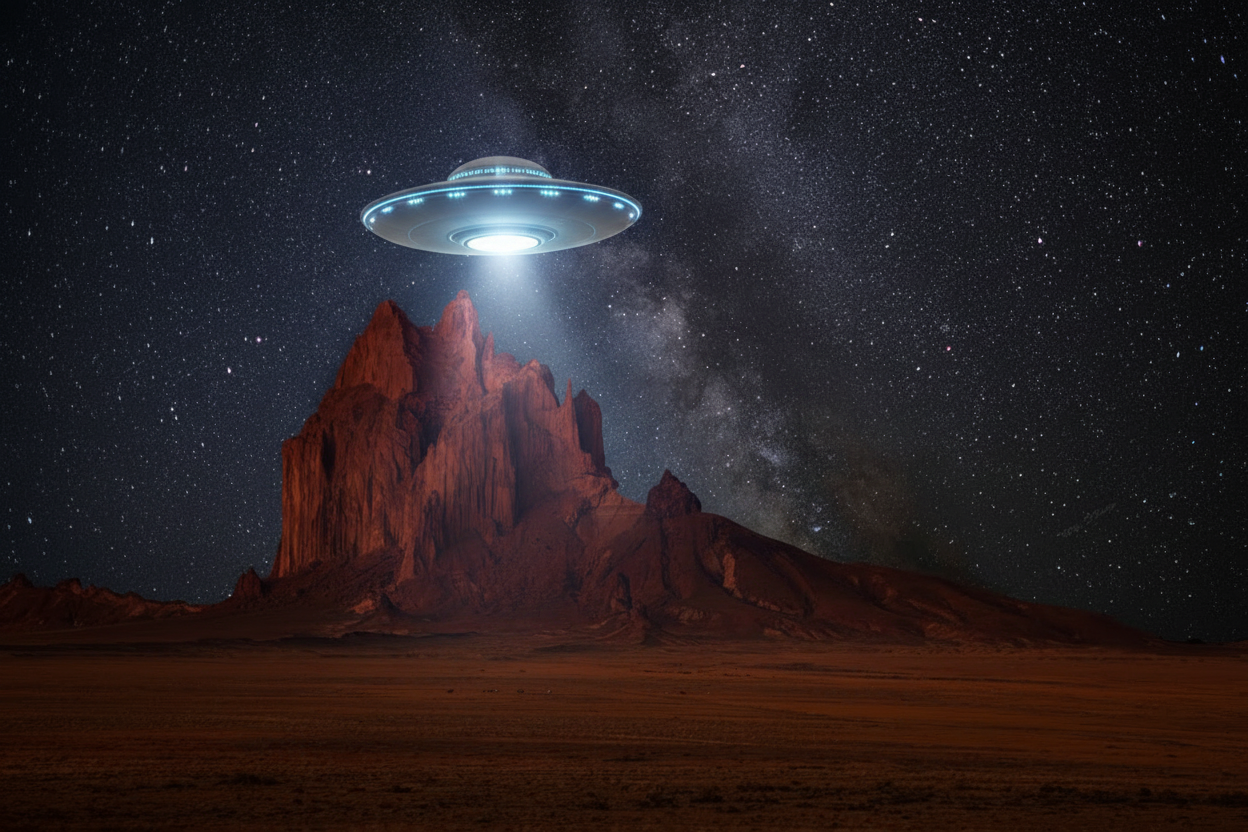
Where to actually go look
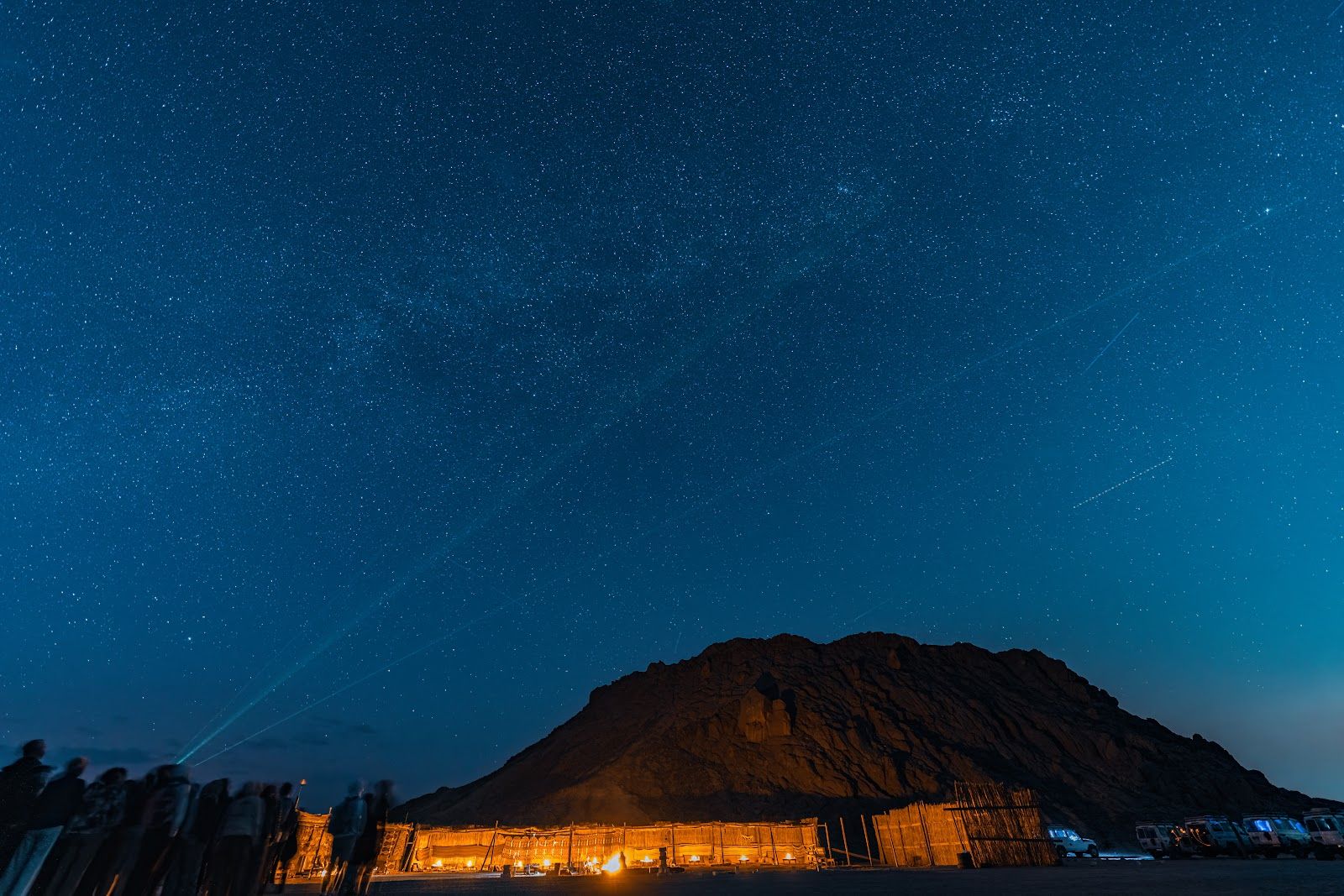
Because Sedona is a Dark Sky Community, you don’t need a tour to see a genuinely dark sky, Airport Mesa and the overlooks along Airport Road are popular, unofficial spots locals use for stargazing, away from Uptown’s lights. If you’d rather go out with someone who tracks this constantly, Sedona runs an active UFO-tour industry: multi-hour evening outings using night-vision equipment are bookable through operators based near Uptown, typically running about two hours and covering known sky-watching pullouts outside town.
Inside Sedona’s tour culture, briefly
The tours themselves have become part of the draw, reviewers consistently describe multi-sighting nights, though what a group identifies through a night-vision scope is, again, an observation, not a confirmed classification. It’s a genuinely popular add-on for a Sedona trip regardless of what you conclude by the end of it.

Stay curious, stay based nearby
Whatever you make of what’s overhead, a dark sky worth watching is worth a base close enough that you’re not driving back exhausted. Dreamcatcher Inn is a short walk from Uptown Sedona, with quiet rooms for whenever you get back from a night out under Sedona’s dark skies, long-stay-friendly options if you want more than one night to look, and a central spot to plan a night-sky outing or a daytime UFO/vortex tour around. Whether September’s clear nights or October’s cooler evenings pull you outside, this is an easy walk back to a quiet room after.